

Programs & Executive Courses
Empowering leaders, educators, and organizations through rigorous academic immersion, real-world case studies, and strategic capability building.
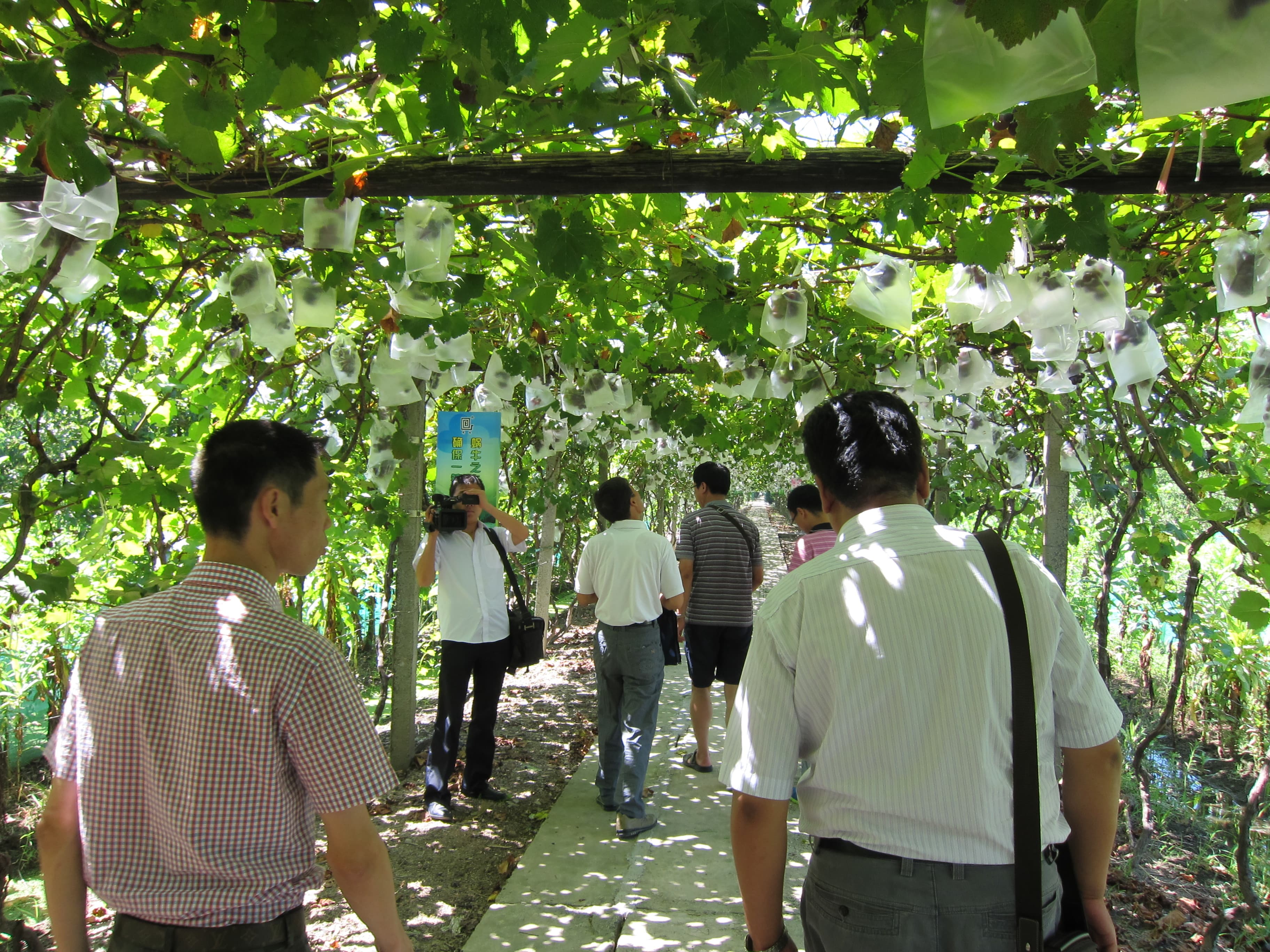
Digital Transformation & New Productive Forces Executive Seminar
Industry-Education Synergy & Digital Governance
Focusing on AI-driven governance, enterprise data assets, and smart industrial supply chains to cultivate agile technical leaders.
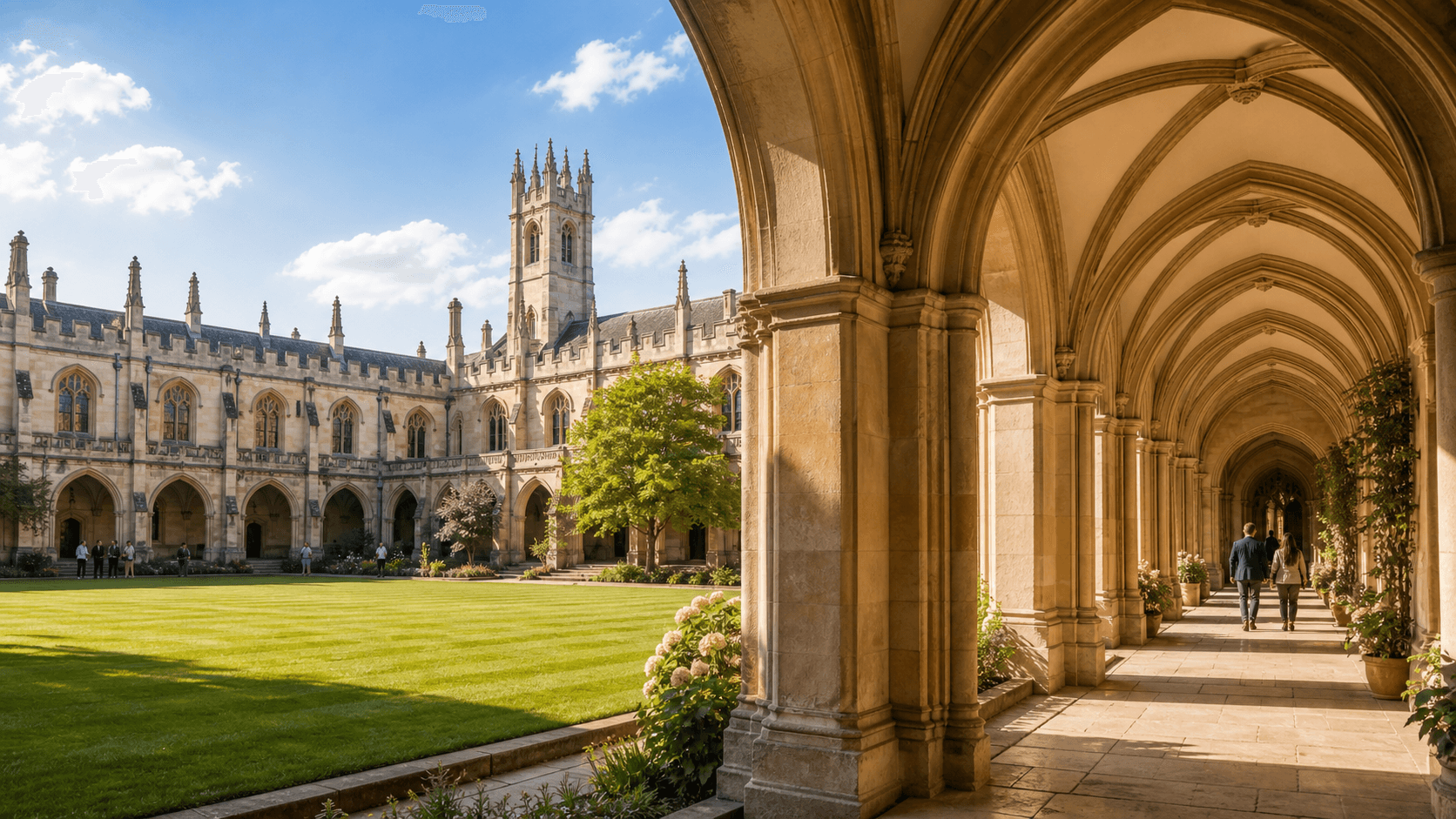
Global Leadership & Frontier Technology Immersion (Cambridge & Oxford)
Global Academic Immersion & Interdisciplinary Executive Dialogue
Leveraging global scholarly networks including Cambridge to organize high-level academic residencies, tech ethics dialogues, and executive summits.
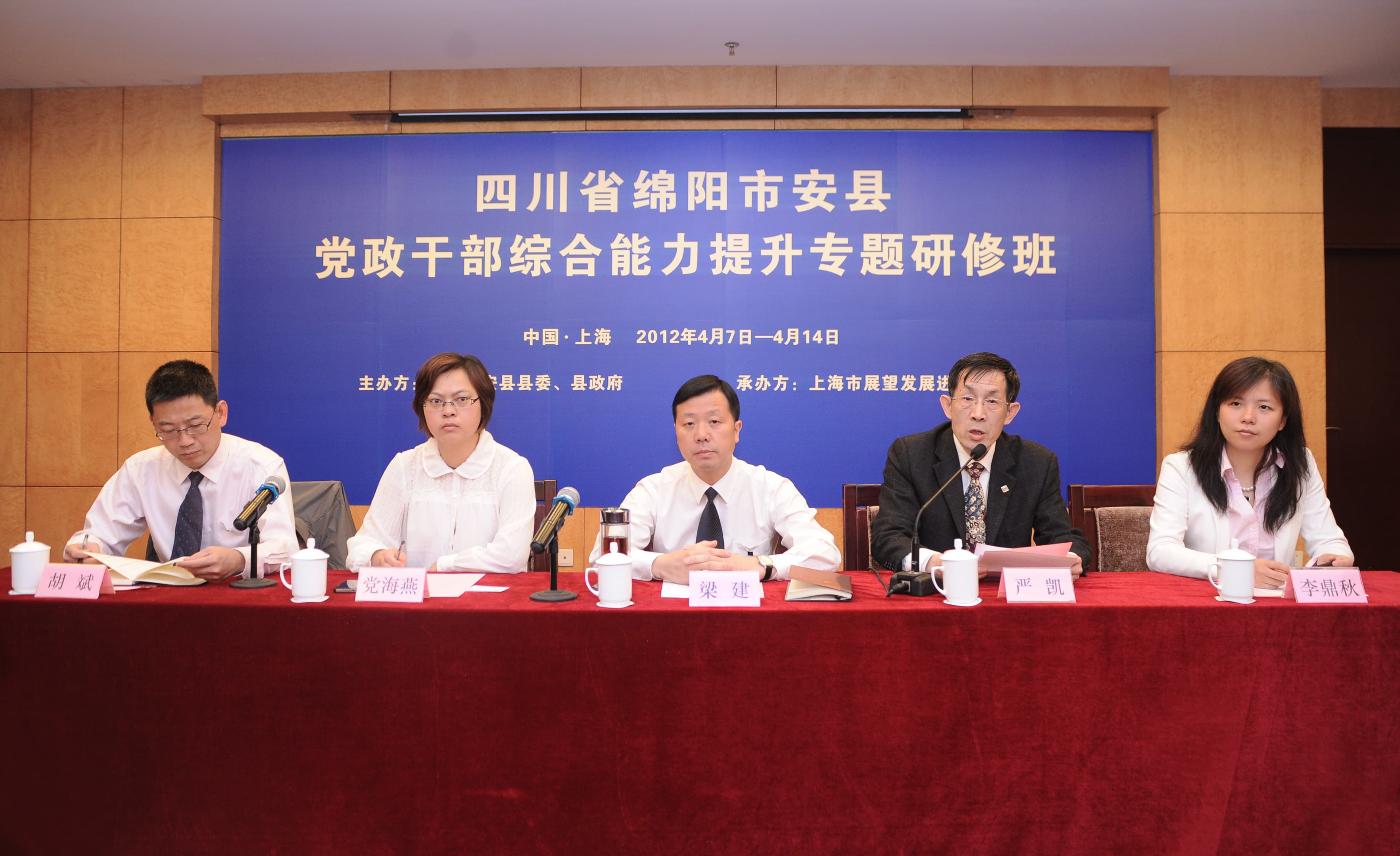
Western Talent Project · County Governance & Public Management
National Mid-to-Long-Term Talent Development Initiative
Designated in the National Western Development Master Plan, delivering tailored public administration and economic governance seminars for county and township leaders.
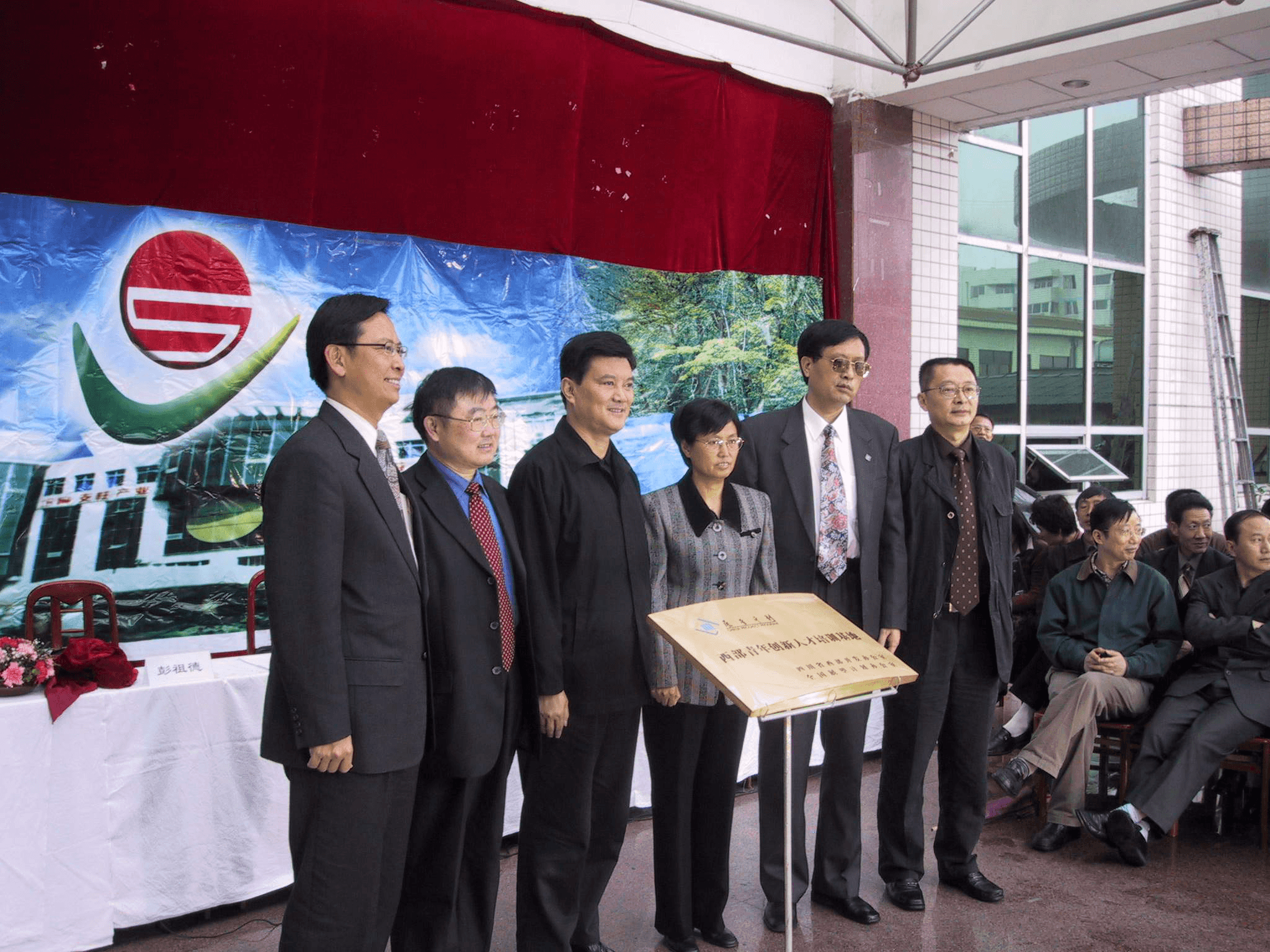
Rural Entrepreneurial Project · Village Entrepreneurs & Homestay Incubation
Rural Revitalization & Practical Capacity Building
Pioneering China's first agritourism and rural homestay incubation program, fostering entrepreneurial leaders to build sustainable farmer-to-farmer mutual growth.
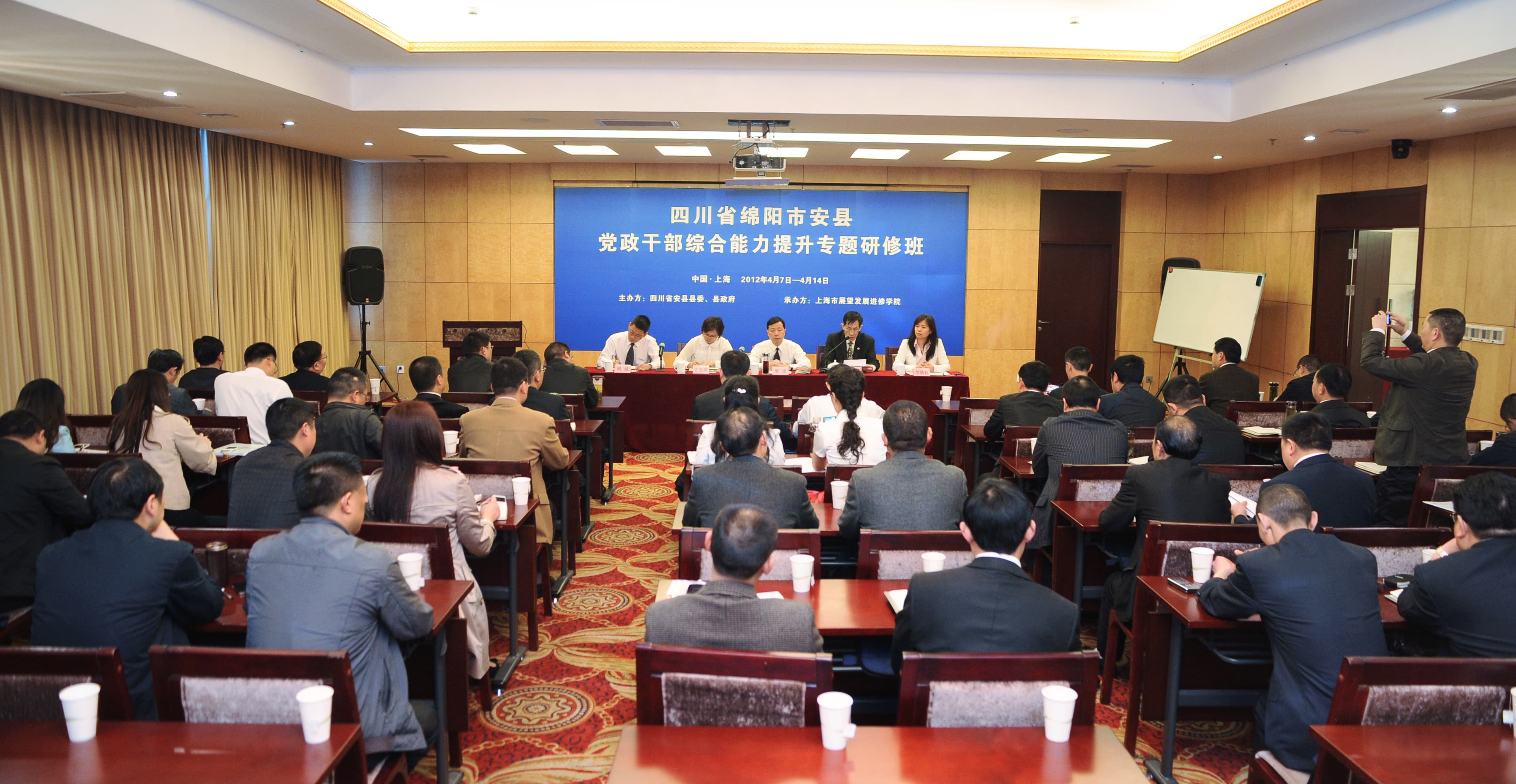
Project Hope · Rural Education & Teacher Pedagogical Enhancement
Educational Philanthropy & Grassroots Teacher Empowerment
Entrusted by CYDF to leverage the nationwide Project Hope network, providing comprehensive pedagogical training and student STEM science camps.
Customized Executive & Regional Development Programs
Collaborate with our curriculum design council to build tailored training cohorts for leadership, digital empowerment, and rural development.
Distinguished Faculty & Think Tank
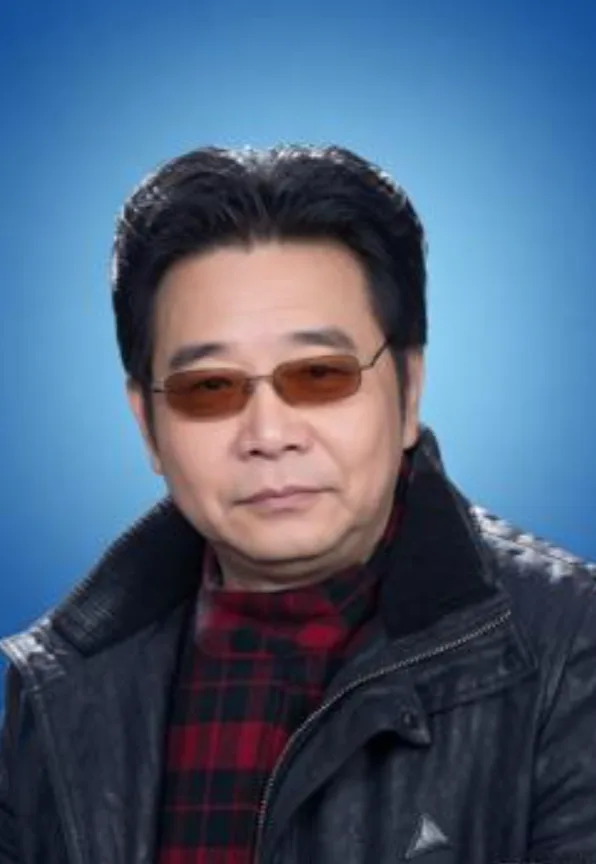
Prof. Zhang Jianhua
Zhang Jianhua, born in Shanghai, is a professor at Shanghai Business School. He has served as Dean of the School of Tourism and Food, Executive Vice Dean of the School of Oriental Fortune Media and Management, and Director of the Shanghai Business School Library. Professor Zhang holds numerous academic affiliations, including Standing Council Member of the China Value Engineering Society, Deputy Secretary-General of the Shanghai Commercial Economics Society, Vice Chairman of the Shanghai Landscape Architecture Society, Vice Chairman of the Japan-China Landscape Architecture Society (JCL), and Chairman of the Shanghai Branch of the International Building Decoration and Interior Design Association. He served as a member of the 10th, 11th, and 12th Shanghai Municipal Committee of the Chinese People's Political Consultative Conference (CPPCC). In 2013, he was honored with the title of "Binhai Xianren" Leading Talent by Fengxian District. Professor Zhang has long been committed to frontline teaching, delivering over 200 class hours per academic year on average. He innovatively proposed the "Four-Step Student Management" approach, dividing the four years of university into four stages—Spring Sprouting, Summer Growth, Autumn Harvest, and Winter Storage—aiming to cultivate students' sense of professional belonging and achievement. His major publications include Interpretation of Commercial Space Landscape, National Vocational Qualification Training Course—Landscape Designer, Discourse on Gardens, Modern Seed Science, among others, and he has published over 240 academic papers. He has received numerous awards, including the First Prize of the National Ministry of Personnel, the First Prize of Shanghai Science and Technology Invention, the Second and Third Prizes of Shanghai Science and Technology Progress, and the First and Third Prizes of Shanghai Teaching Achievement.
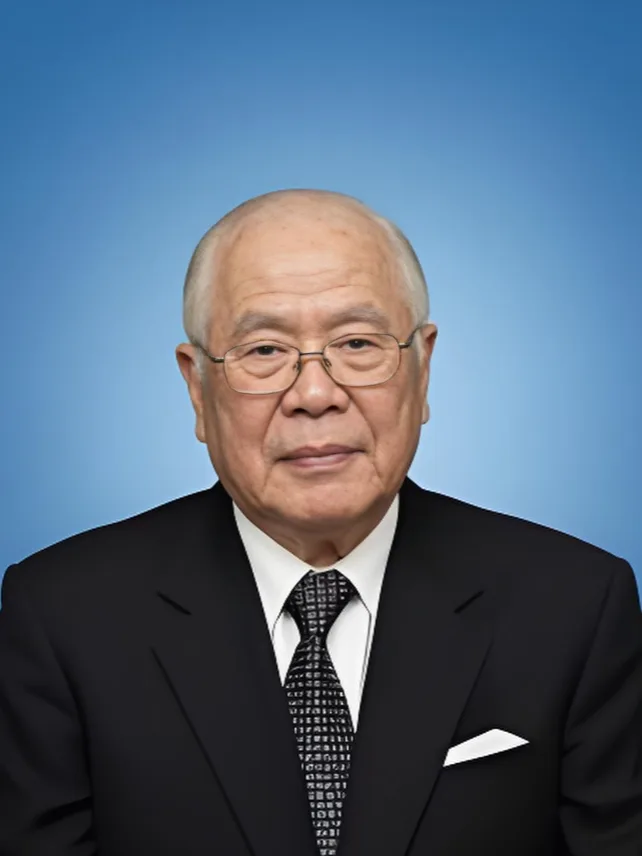
Morihiko Hiramatsu
Morihiko Hiramatsu was born in Ōita City, Ōita Prefecture, Japan. A graduate of the Faculty of Law at the University of Tokyo, he began his career at the Ministry of International Trade and Industry (MITI), where he worked on policy development for Japan's emerging electronics industry. He became Vice-Governor of Ōita Prefecture in 1975 and was elected Governor in 1979, serving six consecutive terms until 2003. In 1979, Hiramatsu launched the "One Village, One Product" (OVOP) movement, encouraging rural communities to develop distinctive local products through value-added processing and human resource development to revitalize regional economies. Guided by the principles of "think globally, act locally" and "develop people for the future", the movement helped Ōita Prefecture cultivate over 300 specialty products and was later introduced to more than 30 countries and regions. After his first visit to China in 1983, the OVOP model was promoted in more than ten Chinese provinces and municipalities, including Shanghai and Gansu. He facilitated direct air service between Ōita Prefecture and Shanghai and was awarded honorary professorships at Jiangxi Agricultural University, Nanjing Normal University, and Gansu Agricultural University. He promoted agricultural technology exchanges between China and Japan by dispatching experts to China and hosting Chinese trainees in Japan. In 2002, he received the Chinese Government Friendship Award, and in 2009, he was named one of the "60 Most Influential Overseas Experts in New China
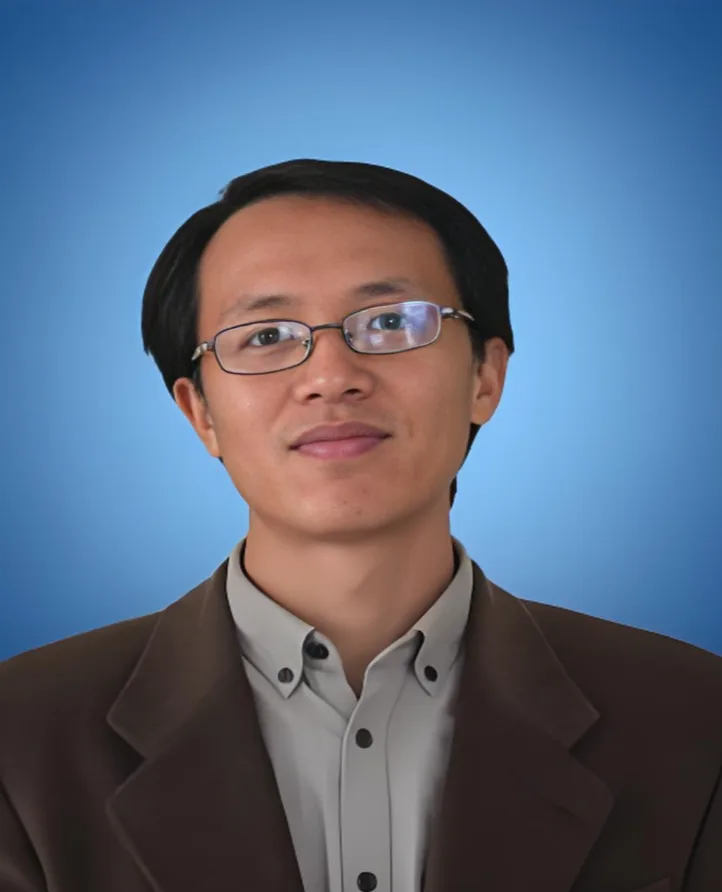
Dr. Zhao Litao
Dr. Zhao Litao is a Senior Research Fellow at the East Asian Institute, National University of Singapore. Born in Hunan Province, China, he entered Peking University in 1990 to study sociology, and received his BA and MA degrees in 1995 and 1998 respectively. From 1998 to 2004, he pursued his Ph.D. in Sociology at Stanford University, and joined the East Asian Institute upon receiving his doctorate in 2004. His research focuses on social stratification and mobility, sociology of education, organizational analysis, and China's social policy. His work has appeared in leading journals including The China Quarterly, Journal of Contemporary China, Research in Social Stratification and Mobility, and Social Sciences in China. He has authored and edited eight books, including China's Development: Social Investment and Challenges (2017), China's Great Urbanization (2017), and China's Social Development and Policy (2013). He has delivered lectures at Chinese universities and academic institutions on topics such as Singapore's public housing policy, urban planning and governance, and healthy aging in China. He serves as Associate Editor of China: An International Journal and on the editorial boards of several other academic journals.
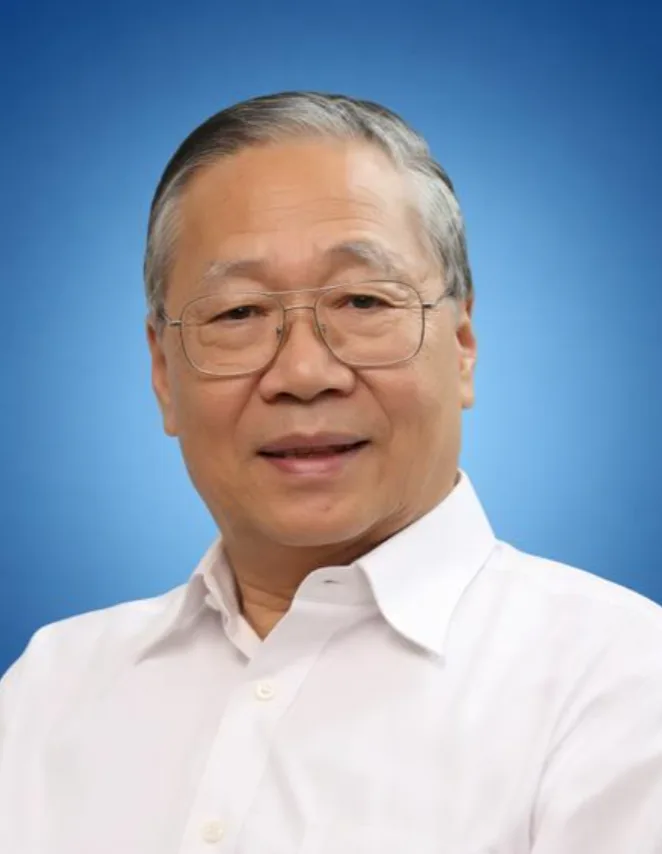
Prof. John Wong
Professor John Wong was born in Guangdong, China. He received his B.A. (Honours) in Arts from the University of Hong Kong in 1962 and his Ph.D. from the University of London in 1966. He taught at the Department of Economics, University of Hong Kong from 1966 to 1971, and at the Department of Economics, National University of Singapore from 1971 to 1990. He served as Director of the Institute of East Asian Political Economy (the predecessor of the East Asian Institute) from 1990 to 1996, and has been Academic Director of the East Asian Institute, National University of Singapore since 1997. Together with Professor Wang Gungwu, he co-founded the East Asian Institute in 1991. He has held visiting professorships at the University of Florida and the University of Toronto, and has been a visiting fellow or scholar at Harvard University's Fairbank Center, Yale University's Economic Growth Center, St. Antony's College at Oxford University, and Stanford University. Since 1970, Professor Wong has delivered academic lectures at over 80 universities and research institutions and participated in more than 300 international academic conferences. He has served as a consultant to numerous international organizations, including the United Nations Economic and Social Commission for Asia and the Pacific, the United Nations Industrial Development Organization, the International Labour Organization, the Asian Productivity Organization, the Asia-Pacific Development Centre, the Asian Development Bank, and the International Chamber of Commerce in Paris. He established the "Peking University Huang Zhisheng Scholarship" at the Department of Public Finance at Peking University to support academically outstanding students from financially disadvantaged families. His edited works include China: Economic and Social Challenges for the Next Ten Years.
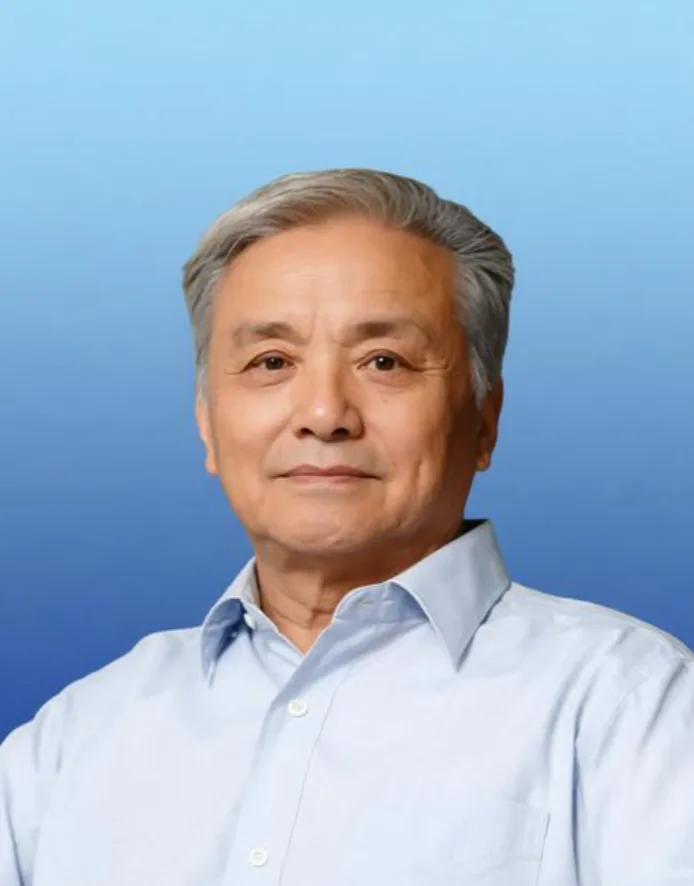
Prof. Ruan Yisan
Ruan Yisan is a professor and doctoral supervisor at the College of Architecture and Urban Planning, Tongji University, Director of the National Research Center of Historic Cities, and a renowned Chinese expert in the preservation of historical architectural heritage, often hailed as the "Guardian Angel of Ancient Cities." Born in November 1934 in Suzhou, Jiangsu Province, he is a descendant of the prominent Qing Dynasty scholar Ruan Yuan. He entered Tongji University's Department of Architecture in 1956 and has been teaching there since graduating in 1961. He has devoted his career to the protection of ancient cities and towns, advocating the conservation principle of "restoring the old as it was, preserving its authenticity." In the early 1980s, he successfully saved the ancient city of Pingyao from demolition through his conservation planning efforts, and Pingyao was inscribed as a UNESCO World Heritage Site in 1997. He has since led conservation plans for historic towns such as Zhouzhuang, Tongli, Luzhi, Wuzhen, and Xitang, and has participated in projects including Lijiang Ancient Town, the Three Lanes and Seven Alleys in Fuzhou, and historical towns along the Grand Canal, completing over 340 urban conservation planning projects in total. He has received the UNESCO Asia-Pacific Heritage Award twice (in 2003 and 2005), became the first Asian to receive the Henry Hope Reed Award in 2014, and was awarded the Ordre des Arts et des Lettres by the French Ministry of Culture in 2005. His publications include Chronicle of City Protection, Records of City Protection Trails, Ancient Towns South of the Yangtze, and Theory and Planning for the Conservation of Historic and Cultural Cities, among others.
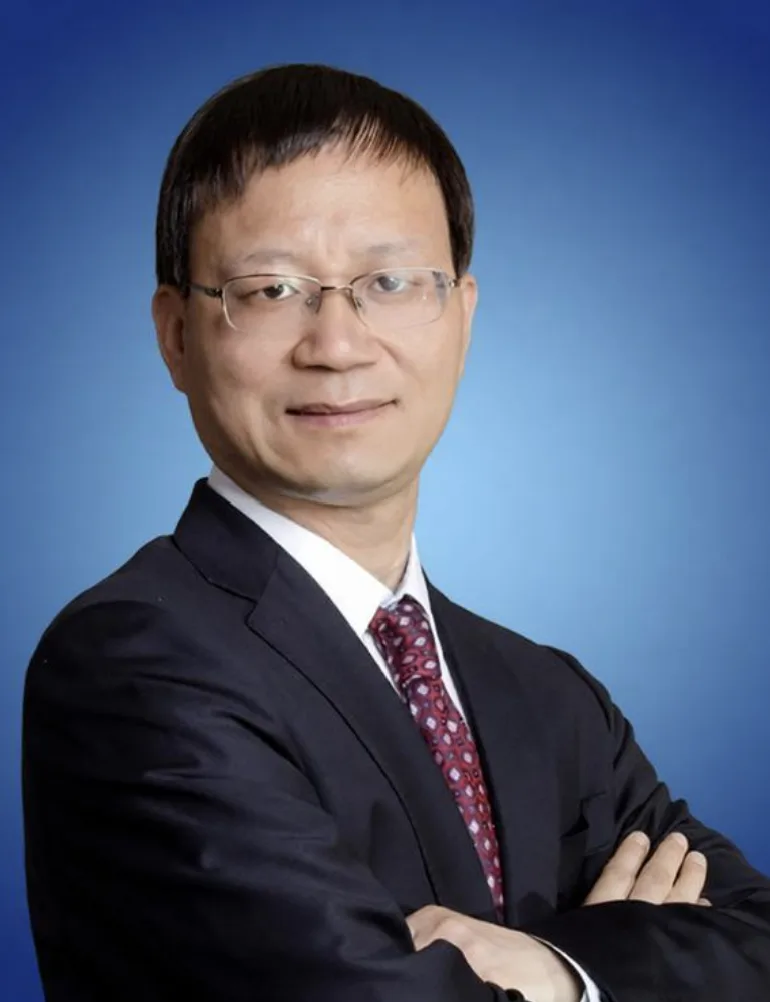
Prof. Gao Fan
Professor Gao Fan is a professor and doctoral supervisor at the School of Economics, Fudan University. He currently serves as Dean of the Institute of Marxist Studies and Deputy Director of the Publicity Department of the CPC Fudan University Committee. Born in November 1976 in Zhouzhi, Shaanxi Province, he completed his bachelor's, master's, and doctoral studies at Northwest University. In 2004, he joined the postdoctoral research station in theoretical economics at Fudan University, and has been teaching at the School of Economics since 2006, progressing from lecturer to associate professor and then to professor. He has previously held positions including Deputy Director and Executive Deputy Director of the Department of Economics, and Deputy Dean of the Graduate School. His primary research interests lie in political economy and development economics, with a particular focus on the transformation of the urban-rural dual economic structure and agricultural development. He is the Chief Expert of a Major Project of the National Social Science Fund of China and a Young Scholar of the "National Talent Program" of the Ministry of Education.
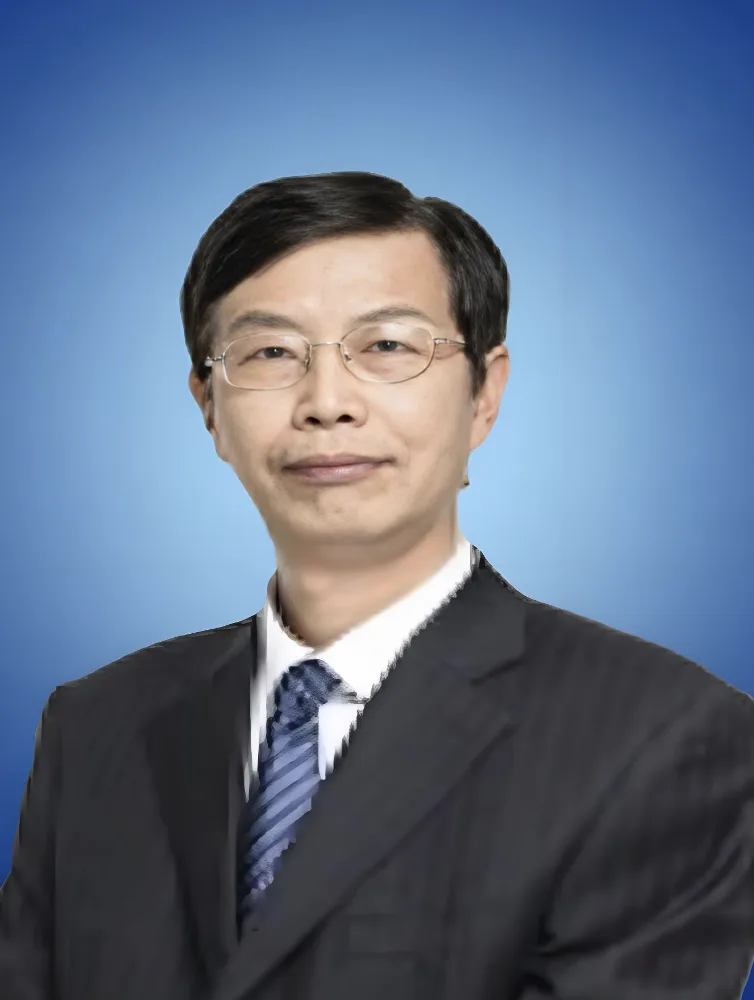
Prof. Chen Hehua
Professor Chen Hehua is a professor, master's supervisor, and Director of the Criminology Teaching and Research Office at the School of Criminal Law, East China University of Political Science and Law. He holds a bachelor's and a master's degree in Education from East China Normal University and was a visiting scholar at the University of Maryland, USA. He also serves as an adjunct professor at the Hangzhou Training Center of the Central Commission for Discipline Inspection, a lawyer at Shanghai Zhongxin Zhengyi Law Firm, and a council member of the Chinese Society of Criminology. His primary research interests include criminal psychology, criminology, and criminal justice. He has published four academic monographs, including Criminal Psychology (Peking University Press), and over 70 papers in leading journals such as Law Science, Legal Forum, and Journal of East China University of Political Science and Law, many of which have been reprinted by China Social Sciences Digest and other publications. Professor Chen has received numerous teaching honors, including the Shanghai Yucai Award, East China University of Political Science and Law's "Outstanding Teaching Contribution Award," "Outstanding Lecturer," and "Best Teacher in My Heart". His courses are highly popular among students, who affectionately call him "Brother Hua."
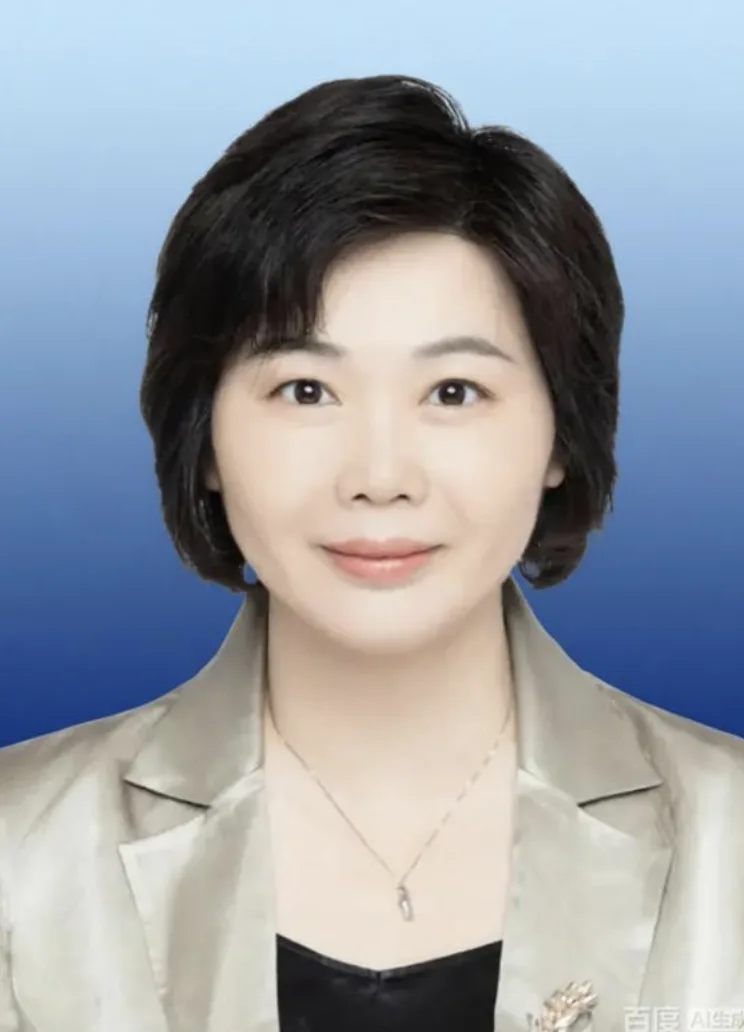
Dr. Qian Haihong
Qian Haihong is Deputy Secretary of the CPC Fudan University Committee, Chair of the University Trade Union, Secretary of the CPC Committee of Administrative Departments, and Director of the University Committee on Caring for the Next Generation. She holds a multidisciplinary educational background, with a Bachelor of Medicine, a Master of Management, and a Ph.D. in Journalism. Her research focuses on health communication and medical humanities. Qian Haihong has held various administrative and party affairs roles at Fudan University, including Party Secretary of the School of Basic Medical Sciences and Director of the Fenglin Campus Administrative Committee. In September 2019, she became Director of the University Administration Office. In March 2024, she was appointed Deputy Secretary of the CPC Fudan University Committee, re-elected in August of the same year, and has additionally served as Secretary of the CPC Committee of Administrative Departments since December 2025, accumulating extensive experience in university administration and party affairs. In academic research, Qian Haihong has led special research projects such as Health Communication in Public Health Emergencies from a Media Perspective, and has published monographs including Self-Management of Physical and Mental Health and Mentorship Illuminating the Medical Path, making notable contributions to the fields of health communication and medical humanities. She has been honored with the first "Sunshine Scholar" award from the Shanghai Municipal Education Commission and has received the Special Award for Outstanding Individual in Ideological and Political Work at Fudan University, among other recognitions.
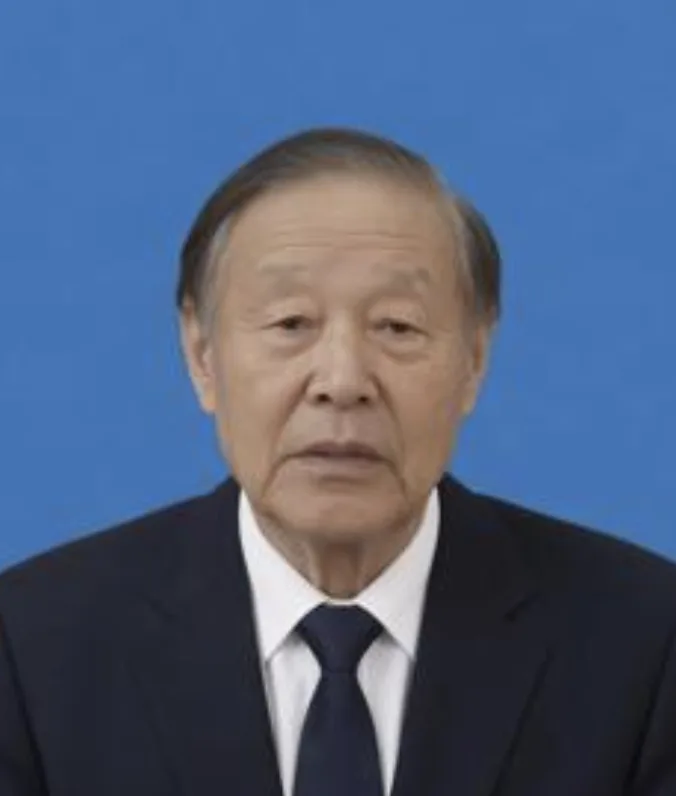
Prof. Leng Heming
Professor Leng Heming is a First-Level Professor and Master's Supervisor at the Department of Philosophy Teaching and Research of the Party School of the CPC Shanghai Municipal Committee, where he has long held a core teaching position. He has devoted himself to the teaching and research of Marxist philosophy, with particular depth in the Sinicization of Marxism, the Scientific Outlook on Development, social transformation, and the existential challenges of contemporary humanity. His teaching style has been described by students as "profound, calm, and broad," and his philosophical thought is respectfully referred to in academic circles as "Leng Philosophy." He emphasizes the integration of philosophical theory with practical issues, and has delivered lectures on Party history, harmonious society, and social governance innovation in many cities across China, including Wenzhou, Qingdao, and Ordos, earning widespread acclaim. Professor Leng also serves on the Board of Directors of the Shanghai Philosophical Society, and has been appointed as a Distinguished Professor by the Western Talent Training Center of the Central Committee of the Communist Youth League and the Western Science and Technology Talent Training Center of the Ministry of Science and Technology. He also holds distinguished professorship positions at the Party School of the General Administration of Customs of China and the Party School of the Head Office of the Bank of Communications, demonstrating his extensive influence in the field of cadre education and training. In terms of academic achievements, Professor Leng has received multiple national awards for his monographs and has been honored with the Teaching Excellence Award of the Party School of the CPC Shanghai Municipal Committee for 20 consecutive years, making him a long-standing benchmark of teaching excellence at the institution. As a master's supervisor, he has mentored numerous graduate students in areas such as the Sinicization of Marxist philosophy, dedicated to cultivating young scholars with a solid theoretical foundation and a strong sense of social responsibility.
Educational Impact & Learner Testimonials
Over 30 years of dedicated service in executive education and national talent initiatives, earning long-term trust from public leaders, rural champions, and partner institutions.
Over 30 years of empowerment for public leaders, rural entrepreneurs, and senior executives.
Bridging eastern and western regions, covering 90% of key counties across central and western China.
Included in national development master plans with dozens of municipal training demonstration bases.
Interactive seminars, practical fieldwork guidance, and student-centric administration.
Reflections from Trainees & Leaders
"Through systematic executive seminars in Shanghai and coastal site visits, we translated advanced coastal development methodologies into local investment momentum, attracting over 1.397 billion RMB in private investment!"

"The forward-looking concepts and Yangtze River Delta industrial synergy mechanisms provided by China Prospect built an enduring bridge for regional talent exchange and border leapfrog development."

"The training combined policy analysis from top professors with Chongming ecological tourism fieldwork and business model workshops, providing truly actionable pathways for rural shared prosperity!"

Need a Customized Training Program for Your Organization?
Contact our academic advisory team to tailor curricula, schedules, and delivery modalities.